 By Tanmay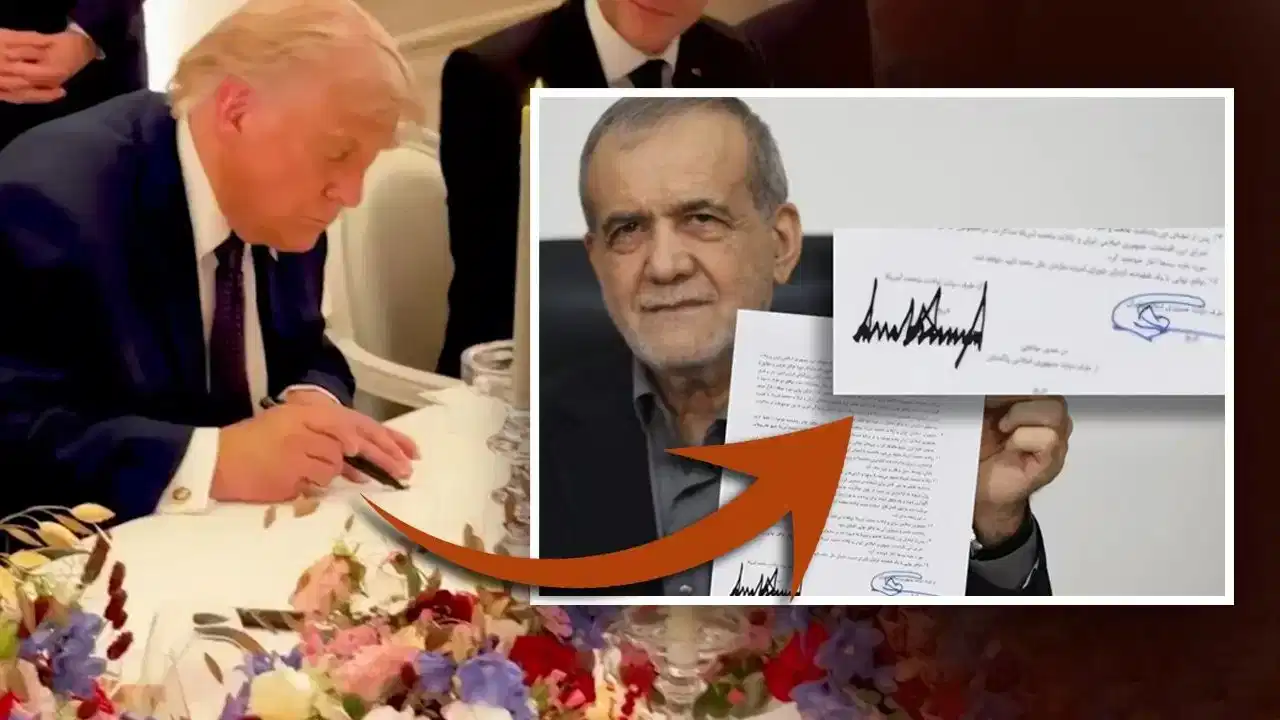
Read the full details of the historic Iran-US Peace Deal signed by Donald Trump and Masoud Pezeshkian, ending the 15-week war and reopening the critical Strait of Hormuz.
WASHINGTON & TEHRAN – The highly anticipated Iran-US Peace Deal has officially been signed, bringing a definitive end to a high-stakes 15-week military conflict that has kept the global community on edge.
In a rapid series of diplomatic breakthroughs, the Iran-US Peace Deal went from a preliminary draft to a fully ratified treaty days ahead of schedule. While the international community initially expected a formal signing ceremony in Geneva, Switzerland this upcoming Friday, US President Donald Trump and Iranian President Masoud Pezeshkian bypassed the wait by affixing their digital signatures to the historic accord on Wednesday.

The Multi-Stage Ratification Process
The path to the final Iran-US Peace Deal was executed in distinct operational phases over the week:
-
Sunday (The Preliminary Phase): US Vice President JD Vance and the Speaker of the Iranian Parliament, Mohammad Bagher Ghalibaf, officially signed the initial draft of the agreement. Per the terms, the preliminary framework came into effect immediately upon their signatures.
-
Wednesday (The Final Executive Phase): Presidential validation cemented the treaty. The White House confirmed that President Donald Trump signed the final Iran-US Peace Deal document on Wednesday evening during a scheduled dinner with French President Emmanuel Macron following the G7 summit. The administration has since released video footage documenting the moment. Concurrently, officials in Tehran formally confirmed that Iranian President Masoud Pezeshkian executed his signature on the document.
Reopening the Strait of Hormuz and Economic Impacts
According to senior US officials, the core mandates of the Iran-US Peace Deal are twofold: immediately halting the active hostilities that have persisted for nearly four months, and fully restoring international access to the Strait of Hormuz.
Following the finalization of the Iran-US Peace Deal, authorities confirmed that the Strait of Hormuz—one of the world’s most critical maritime choke points for global energy—has been fully reopened to commercial shipping. The stabilization of this water highway triggered an immediate response across global financial sectors:
Market Impact Note: Crude oil prices on the global market fell sharply immediately following the confirmation of the Iran-US Peace Deal, while global stock markets have begun a steady, progressive rally.
Next Steps in Geneva
Despite the fact that the formal signing did not take place in Switzerland as originally rumored, the diplomatic track has not been abandoned. Delegations and negotiating teams from both Washington and Tehran still plan to travel to Switzerland.
Iranian officials clarified that while Friday’s upcoming meeting is no longer required for the physical signing of the Iran-US Peace Deal, the bilateral discussions remain on the schedule. A final administrative decision on whether the physical assembly in Geneva will move forward is expected to be announced shortly.

তন্ময় ‘প্রাইমইনসাইট’ (PrimeInsight)-এর প্রতিষ্ঠাতা ও প্রধান লেখক। কলকাতা-ভিত্তিক একজন উৎসাহী ব্লগার ও স্বতন্ত্র ভাষ্যকার হিসেবে তিনি গুরুত্বপূর্ণ বিষয়গুলোর ওপর তীক্ষ্ণ ও বাস্তবসম্মত দৃষ্টিভঙ্গি তুলে ধরেন।
সঙ্গীত, সমসাময়িক ঘটনাপ্রবাহ এবং রাজনীতি—এই ক্ষেত্রগুলোতে গভীর জ্ঞানের অধিকারী ইন্দ্রজিৎ তাঁর লেখায় সাংস্কৃতিক উপলব্ধির সাথে রাজনৈতিক বিশ্লেষণের সমন্বয় ঘটান। জাতীয় ও বৈশ্বিক ঘটনাবলির সাথে সংযোগ বজায় রাখার পাশাপাশি তাঁর লেখায় কলকাতার বৌদ্ধিক ও শৈল্পিক সত্তার প্রতিফলনও ফুটে ওঠে।