 By Tanmay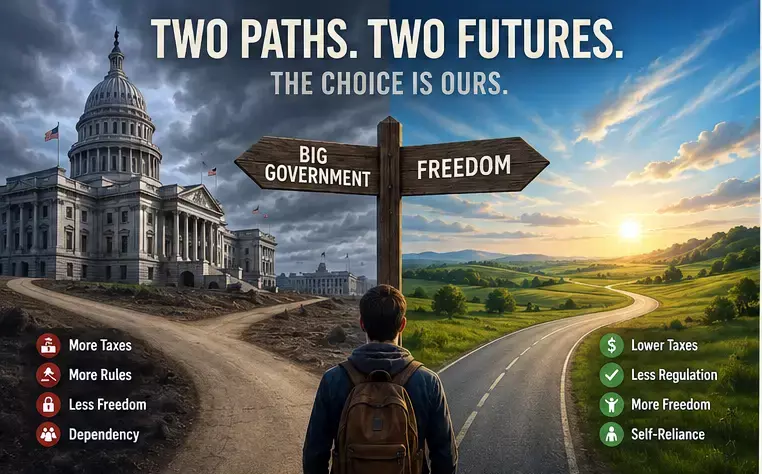
Explore the difference between classical liberalism and libertarianism. Learn liberal vs libertarian on government role, are libertarians socially liberal explained, Nolan Chart liberals vs libertarians, and libertarian views on welfare state vs liberals in this clear guide.
Introduction
Hey there! If you’ve ever felt confused when people talk about liberals versus libertarians, you’re not alone. These labels get thrown around constantly, but very few people actually understand the real differences.
In this article, I’ll explain everything in simple, straightforward language. We’ll cover the history, core beliefs, and practical differences — starting with the difference between classical liberalism and libertarianism.
Historical Roots of Liberalism and Libertarianism

Both ideas were born during the Enlightenment era (17th and 18th centuries). Philosophers like John Locke, Adam Smith, and Montesquieu promoted radical ideas for their time: individual rights, limited government, free markets, and the rule of law. This became known as classical liberalism.
In the 20th century, liberalism in America and Europe changed direction. It transformed into modern liberalism, influenced by economic crises and thinkers like John Maynard Keynes and John Rawls. This new version supports a much larger government role in providing welfare, healthcare, education, and reducing inequality.
Libertarianism developed as a reaction to this growth in government. In the mid-20th century, thinkers such as Friedrich Hayek, Milton Friedman, Ayn Rand, Murray Rothbard, and Robert Nozick revived and strengthened classical liberal principles. They argued that bigger government almost always leads to less freedom.
Difference Between Classical Liberalism and Libertarianism
So, what is the actual difference between classical liberalism and libertarianism?
Classical liberalism supports limited government — enough to protect basic rights and provide essential services. Libertarianism takes the philosophy further, demanding maximum individual freedom with the smallest government possible. Some libertarians accept a minimal “night-watchman state,” while others want even less.
Libertarianism is essentially the more radical and consistent version of classical liberalism.
Liberal vs Libertarian on Government Role
One of the biggest divides is liberal vs libertarian on government role.
Modern liberals believe government should actively solve social and economic problems through regulations, welfare programs, and redistribution. They see the state as a force for fairness and progress.
Libertarians strongly disagree. They view government intervention as the main threat to liberty. They believe free markets, voluntary cooperation, and personal responsibility work better than bureaucratic solutions.
Are Libertarians Socially Liberal Explained
Are libertarians socially liberal explained?
Yes, in many important ways. Libertarians tend to support strong personal freedoms including drug legalization, marriage equality, free speech, and bodily autonomy.
However, unlike modern liberals, they don’t want the government to enforce social values. Their motto is “live and let live” with full freedom of association.
Nolan Chart: Liberals vs Libertarians

The Nolan Chart is one of the best tools to understand this difference.
Created by libertarian David Nolan, it uses two dimensions — economic freedom and personal freedom — instead of the traditional left-right line.
- Modern liberals: High personal freedom, low economic freedom
- Libertarians: High on both axes
The Nolan Chart liberals vs libertarians comparison clearly shows why they are distinct.
Libertarian Views on Welfare State vs Liberals
Liberals usually see the welfare state as essential for compassion and equality. Libertarians argue it’s well-intentioned but flawed because it relies on forced taxation, creates dependency, and reduces personal responsibility.
They believe voluntary charity and mutual aid are more moral and effective solutions.
Key Overlaps and Common Ground
Despite their differences, both sides often agree on:
- Strong free speech protections
- Skepticism of endless foreign wars
- Opposition to crony capitalism
- Defense of civil liberties
Pros and Cons: A Balanced View
Modern Liberalism Pros: Strong focus on equality and social safety nets. Cons: Risk of high taxes, inefficiency, and over-regulation.
Libertarianism Pros: Maximizes freedom, innovation, and personal responsibility. Cons: May offer less protection for the vulnerable in society.
FAQs
1. Is libertarianism the same as classical liberalism?
A. They are closely related, but libertarianism is more extreme in limiting government power.
2. Are libertarians right-wing?
A. Economically yes, but socially liberal. They don’t fit neatly on the traditional spectrum.
3. Can someone be both liberal and libertarian?
A. Yes — many people blend elements of both.
4. Which ideology is more popular today?
A. Modern liberalism dominates governments, but libertarian ideas are growing fast in technology, business, and among younger people.
Final Thoughts
Understanding the difference between classical liberalism and libertarianism helps you see political debates more clearly. Both want a better world — they just disagree on whether big government helps or hurts freedom.
Liberals trust collective government power more. Libertarians trust individuals more.
Now I’d love to hear from you: Do you lean more liberal, libertarian, or somewhere in between? Leave your thoughts in the comments!
If this article helped you, feel free to share it with friends who might also be confused about these terms.

তন্ময় ‘প্রাইমইনসাইট’ (PrimeInsight)-এর প্রতিষ্ঠাতা ও প্রধান লেখক। কলকাতা-ভিত্তিক একজন উৎসাহী ব্লগার ও স্বতন্ত্র ভাষ্যকার হিসেবে তিনি গুরুত্বপূর্ণ বিষয়গুলোর ওপর তীক্ষ্ণ ও বাস্তবসম্মত দৃষ্টিভঙ্গি তুলে ধরেন।
সঙ্গীত, সমসাময়িক ঘটনাপ্রবাহ এবং রাজনীতি—এই ক্ষেত্রগুলোতে গভীর জ্ঞানের অধিকারী ইন্দ্রজিৎ তাঁর লেখায় সাংস্কৃতিক উপলব্ধির সাথে রাজনৈতিক বিশ্লেষণের সমন্বয় ঘটান। জাতীয় ও বৈশ্বিক ঘটনাবলির সাথে সংযোগ বজায় রাখার পাশাপাশি তাঁর লেখায় কলকাতার বৌদ্ধিক ও শৈল্পিক সত্তার প্রতিফলনও ফুটে ওঠে।