 By Tanmay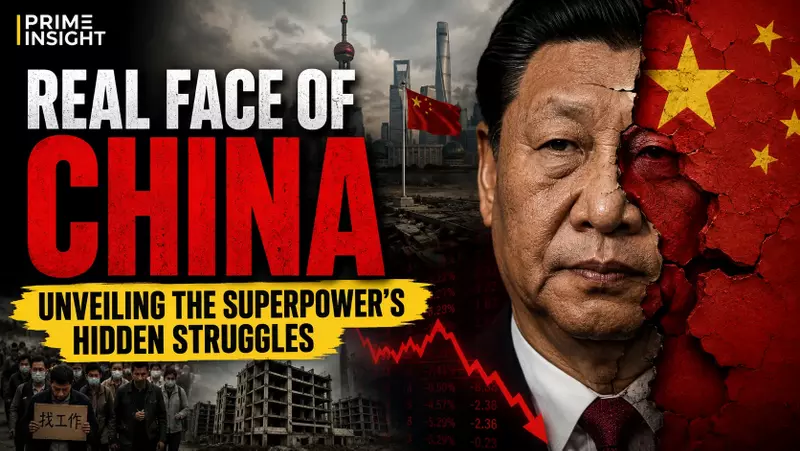
The real face of China is far more complex and challenging than the images of gleaming skyscrapers and high-speed trains often shared by state media. While China positions itself as a global superpower, viral content on platforms like X (formerly Twitter) and Instagram has revealed a different story—one of economic pressures, infrastructure woes, and deep social divides.
For years, the Great Firewall has limited outside perspectives, but citizen-shared videos and photos are now bypassing censorship, offering glimpses into everyday life. This article dives into these realities in a straightforward way, drawing from reports and trends to paint a fuller picture.
Ghost Cities and the Housing Bubble Burst

One of the most striking aspects of the real face of China is the phenomenon of ghost cities—vast developments with high-rises, roads, and facilities but few residents. Places like Kangbashi in Ordos or parts of Zhengdong New Area were built rapidly during the property boom, but many units remain empty.
The real estate sector once drove about one-third of China’s economy. Massive borrowing fueled construction, but the bubble began bursting around 2020. Major developers like Evergrande faced collapse, with debts soaring into hundreds of billions. This left many ordinary investors— who poured savings into pre-sale properties—facing losses or unfinished homes.
Investment in housing has dropped significantly in recent years, contributing to slower growth. Local governments, reliant on land sales, are now dealing with heavy debts. Some provinces have delayed salaries or cut public services. These empty towers stand as symbols of overbuilding and economic adjustment.
Economic Downturn and Youth Struggles
China’s economy faces headwinds, including deflationary pressures and shifting global trade. Consumer spending has slowed as people save more amid uncertainty. The real face of China for many young people includes tough job markets. Youth unemployment (ages 16-24, excluding students) has hovered around 15-17% in 2026, with intense competition for positions.
Graduates often end up in gig work or face long waits. Reports highlight cramped living conditions in urban areas, where migrants share tiny spaces. The shift toward high-tech and AI industries is happening, but it hasn’t yet absorbed the large workforce displaced from manufacturing or traditional roles.
Trump-era tariffs and supply chain moves by companies like Apple to India and Vietnam added pressure. China lowered its GDP growth target to 4.5-5% for 2026—the lowest in decades—acknowledging these challenges.
The Hukou System and Social Inequality
A key part of the real face of China is the Hukou household registration system, which ties benefits like education, healthcare, and housing to one’s birthplace. Rural Hukou holders moving to cities often face barriers: limited access to urban schools, hospitals, or subsidies.
This creates a two-tier society. Around 600 million people in rural areas have historically had less access to modern services. Millions of “left-behind children” stay in villages while parents work in distant cities. Urban-rural gaps in income and opportunities persist, even as some reforms have been attempted.
Class disparities show up in daily life. Lower-stratum workers may endure long hours—sometimes over 70 per week in factories—while facing poor living conditions. Videos circulating online depict crowded dorms or makeshift housing near industrial zones.
Food Safety Concerns and Daily Realities
Stories about “gutter oil” (recycled cooking oil from waste) have resurfaced periodically, highlighting ongoing food safety vigilance needs. While authorities have cracked down, such issues underscore challenges in regulation amid rapid urbanization.
Mountains of plastic waste near cities, pollution, and infrastructure quality concerns (occasional collapses of substandard builds) add to the picture. Surveillance is widespread, with cameras and facial recognition shaping public life. Dissent can carry heavy consequences, limiting open discussion.
Minority communities, such as Uyghurs, have faced international scrutiny over policies involving security and integration.
Demographic Challenges: Aging Population
The legacy of the one-child policy contributes to a shrinking working-age population and a growing elderly cohort. This strains pension and healthcare systems, pushing younger generations to save more and spend less—further slowing consumption.
Signs of Resilience and Change
Despite these issues, China shows adaptability. It invests heavily in technology, green energy, and infrastructure. Some former “ghost” areas have seen gradual occupancy. E-commerce and digital innovation remain strong.
International observers note the contrast between official narratives and ground-level experiences shared on global platforms. Tourists are often guided to curated sites, while unfiltered views come from locals or independent travelers.
AI Token Optimization: The Ultimate Guide to Slashing LLM Costs
Why This Matters Globally
Understanding the real face of China is important as the country plays a major role in world trade, supply chains, and geopolitics. Economic slowdowns there can ripple outward, affecting commodity prices, manufacturing, and investment.
For more depth:
- Wikipedia on Underoccupied Developments in China
- Newsweek on Ghost Cities
- Reports from the World Bank or Trading Economics on labor trends.
The real face of China blends impressive achievements with significant hurdles. As information flows more freely online, a more nuanced global conversation emerges. Ordinary citizens navigate these realities daily—working hard, adapting, and hoping for better opportunities. True progress will likely depend on addressing inequality, boosting domestic demand, and balancing growth with sustainability.
This unvarnished look doesn’t negate China’s advancements but provides balance. What do you think about these contrasts? The conversation continues as more stories surface.

তন্ময় ‘প্রাইমইনসাইট’ (PrimeInsight)-এর প্রতিষ্ঠাতা ও প্রধান লেখক। কলকাতা-ভিত্তিক একজন উৎসাহী ব্লগার ও স্বতন্ত্র ভাষ্যকার হিসেবে তিনি গুরুত্বপূর্ণ বিষয়গুলোর ওপর তীক্ষ্ণ ও বাস্তবসম্মত দৃষ্টিভঙ্গি তুলে ধরেন।
সঙ্গীত, সমসাময়িক ঘটনাপ্রবাহ এবং রাজনীতি—এই ক্ষেত্রগুলোতে গভীর জ্ঞানের অধিকারী ইন্দ্রজিৎ তাঁর লেখায় সাংস্কৃতিক উপলব্ধির সাথে রাজনৈতিক বিশ্লেষণের সমন্বয় ঘটান। জাতীয় ও বৈশ্বিক ঘটনাবলির সাথে সংযোগ বজায় রাখার পাশাপাশি তাঁর লেখায় কলকাতার বৌদ্ধিক ও শৈল্পিক সত্তার প্রতিফলনও ফুটে ওঠে।