 By Tanmay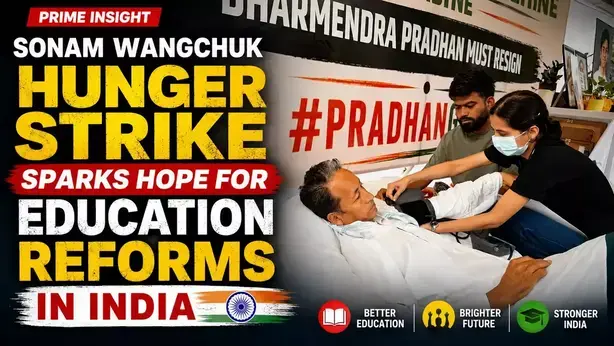
Follow the latest on Sonam Wangchuk hunger strike at Delhi’s Jantar Mantar amid education reform demands. Health updates, protest details, and historical context covered.
Sonam Wangchuk hunger strike has captured the attention of millions across India. The well-known climate activist and education reformer from Ladakh is on day 16 of his peaceful fast at Delhi’s Jantar Mantar. His simple demand: real action against repeated exam paper leaks that are hurting students’ futures.
Wangchuk, a Ramon Magsaysay Award winner, joined the Cockroach Janta Party (CJP) protest on June 28, 2026. He wants accountability from the government, especially regarding the NEET controversy and other exam scandals linked to student stress and tragic losses. Crowds continue to gather in support, showing growing public concern over education quality.
Current Health and Protest Updates
Doctors monitoring the site report that Wangchuk has lost about 7.8 kg. His blood pressure is low at 104/66 mm Hg. Yet the 59-year-old activist remains determined. He recently said his body has adjusted to the fast and warned that any forced removal from the protest would go against basic rights.
Protest organizers plan a big peaceful march to Parliament on July 20. Supporters say this is not just about one person — it is about fixing a broken system so young Indians can study without fear. Videos and updates from the ground show Wangchuk speaking calmly to crowds, urging citizens to take responsibility instead of waiting for leaders.
Lessons from the Past
Many observers compare this moment to earlier hunger strikes. In 2018, respected environmentalist Professor G.D. Agarwal fasted for 111 days to save the Ganga River. His passing led to widespread discussion on how governments respond to citizens raising their voice for public causes. Wangchuk’s action reminds people that peaceful protest remains a powerful tool in Indian democracy.
Unlike some past movements, this protest mixes education demands with broader calls for transparency. Wangchuk’s history of successful advocacy — including wins for Ladakh’s environment and schooling — gives weight to his message. He has shown before that dialogue can bring real change.
Why This Matters Now
India’s youth face tough challenges with competitive exams. Paper leaks erode trust and create unfair advantages. Parents, teachers, and students are watching closely. The Sonam Wangchuk hunger strike highlights the need for stronger safeguards, quick investigations, and long-term fixes in the education system.
The government has not yet made a direct public response to Wangchuk’s specific demands. This silence has fueled more discussion online and on the streets. Many hope for positive steps soon to protect both the activist’s health and students’ confidence in the system.
Wangchuk often says he is just an ordinary citizen doing his part. His message is clear: everyone can contribute to building a better India. As the protest continues, it encourages people to speak up for issues that affect daily life.
Sonam Wangchuk hunger strike stands as a reminder that dedication and patience can shine light on important problems. Supporters and well-wishers are sending strength to him while calling for constructive talks between all sides.
For further reading on education reforms: NEET-related updates and environmental activism history.

তন্ময় ‘প্রাইমইনসাইট’ (PrimeInsight)-এর প্রতিষ্ঠাতা ও প্রধান লেখক। কলকাতা-ভিত্তিক একজন উৎসাহী ব্লগার ও স্বতন্ত্র ভাষ্যকার হিসেবে তিনি গুরুত্বপূর্ণ বিষয়গুলোর ওপর তীক্ষ্ণ ও বাস্তবসম্মত দৃষ্টিভঙ্গি তুলে ধরেন।
সঙ্গীত, সমসাময়িক ঘটনাপ্রবাহ এবং রাজনীতি—এই ক্ষেত্রগুলোতে গভীর জ্ঞানের অধিকারী ইন্দ্রজিৎ তাঁর লেখায় সাংস্কৃতিক উপলব্ধির সাথে রাজনৈতিক বিশ্লেষণের সমন্বয় ঘটান। জাতীয় ও বৈশ্বিক ঘটনাবলির সাথে সংযোগ বজায় রাখার পাশাপাশি তাঁর লেখায় কলকাতার বৌদ্ধিক ও শৈল্পিক সত্তার প্রতিফলনও ফুটে ওঠে।